
Small Dense LDL & Menopause: A Hidden Risk You Should Know About
- Nadine Miles PA-C, FMCP-M

- Nov 18, 2025
- 4 min read

AS more women enter the perimenopausal and menopausal phase of life, it's become clear that changes in hormones do much more than disrupt sleep or mood. One of the subtler — but potentially serious — shifts happens under the surface: in how we carry cholesterol in the blood.
MOST women know their cholesterol numbers matter, it's been taught that high density lipoprotein cholesterol (HLD-C) is "good", while low density lipoprotein (LDL-C) is considered "bad". But even within the category that is sometimes referred to as "bad cholesterol," it's important to learn that not all LDL cholesterol is created equal.
AT Soul Minded, I explain the various cholesterol molecules by using an analogy to sports equipment. We want our cholesterol molecules to be big and fluffy like a beach ball. Because, when you imagine a big fluffy beach ball bouncing around in, let’s say, your vasculature, even at high speed, the beach ball causes no damage. It benignly bumps along gently brushing the endothelial surfaces of your vessels, being simply too large to nestle into plaque forming grooves, it is happy cholesterol. On the other hand, if the molecules are small and dense, like golf balls, there is more concern for risk. Imagine the hard and dense surface of the golf ball, moving at high speeds through delicate blood vessels. It is easy to envision them creating damage along the endothelial surfaces, and then settling into the grooves the damage creates, oxidizing and forming plaques along the way. This form of cholesterol is known as small dense LDL cholesterol (sdLDL-C) and is a more dangerous, more atherogenic subtype of LDL.
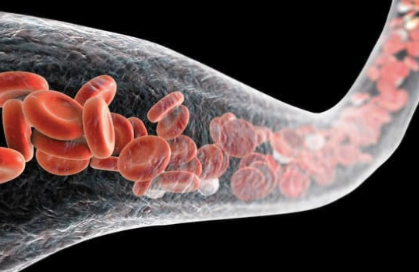
A new 2025 study published in Frontiers in Endocrinology shows that sdLDL-C rises significantly during the menopausal transition, and in some cases, may even be the first sign indicating a hormonal transition, even before any symptoms are experienced and thus, behaving as an early warning system. This is important because sdLDL-C particles are more likely to slip into arteries, oxidize, and contribute to plaque build-up, putting midlife women at greater cardiovascular risk even while their standard cholesterol tests look “normal.”
IN this cross-sectional study, researchers evaluated over 2,000 women across premenopause, perimenopause, and postmenopause. They discovered that sdLDL-C levels rose stepwise from premenopause to perimenopause and finally to postmenopause. Postmenopausal women had 1.5 times higher odds of elevated sdLDL-C compared to premenopausal women. Elevated sdLDL-C was also linked with higher triglycerides, lower HDL, insulin resistance, and hypertension. Importantly, these findings held true even after adjusting for age — meaning the rise is tied to hormonal changes, not just getting older. This is important for women who are over thirty to understand because heart disease risk accelerates after menopause as the hormonal shift comes with the loss of estrogen’s protective effects on blood vessels. However, while still in hormonal transition, women can take advantage of that runway time by implementing changes before estrogen fully declines. Testing this LDL subtype early can serve perimenopausal women by giving them an opportunity to get a head start on managing their cholesterol, far in advance of them experiencing any symptoms related to menopause.

STUDY after study reveals that with regard to almost any disease, early intervention is not only cheaper in the long run, but it provides more effective disease management. This study presents us with yet another opportunity to implement earlier interventions. Standard cholesterol tests can miss early danger signs. A woman may have “normal” LDL but still carry a high proportion of sdLDL-C particles. Proactive testing along with lifestyle changes can help. Knowing your particle size and density allows for earlier, more personalized prevention. Some health care providers worry that insurance will not cover more comprehensive testing and will therefore prefer to start with basic cholesterol testing, and add on more comprehensive tests if the basing testing looks abnormal, but keep in mind that sdLDL-C will rise before some of the other cholesterol markers. Therefore you may have to pay out of pocket for the test, which usually runs anywhere from $50-$120 depending on the lab company. If your doctor isn’t familiar with sdLDL-C testing, ask for a cardiology or functional medicine referral.

PERIMENOAUSE is the perfect time to optimize your health because the protective influences of your sex hormones are still in play. Start Early! In addition to baseline cholesterol testing, Soul Minded Integrative Health evaluates patients with comprehensive cardiometabolic testing which includes LDL particle size and number, measures total atherogenic particles, genetic risks for cardiovascular disease, inflammatory markers, and checks for insulin resistance early. But testing is only one part of the equation. Bioidentical hormone replacement therapy should be discussed since estrogen positively impacts cholesterol metabolism. Ensuring adequate fiber, and healthy fat intake is of equal importance, along with limiting processed foods, carbs, alcohol and sugars. We also ensure gut health, adrenal health, thyroid health, and detoxification pathways are functioning optimally.
AT Soul Minded Integrative Health, the focus is on advanced lab testing, root-cause evaluation, and whole-person care to help women thrive in midlife and beyond. Learn more at soulmindedhealth.com.
Reference:
He Q, Fang Y, Wang L, Liang M, Chen X, Hu R, Zhong J. Determining the status of small dense low-density lipoprotein cholesterol level in women undergoing menopausal transition. Front Endocrinol (Lausanne). 2025 Jan 20;15:1500712. doi: 10.3389/fendo.2024.1500712. PMID: 39902165; PMCID: PMC11788168.


Comments